
NewsDetails
Installation Guide for Transmission Line Iron Fittings and Fasteners
author:Dachuan time:2026-03-25 10:47:30 Click:166
Installation Guide for Transmission Line Iron Fittings and Fasteners
Transmission line iron fittings and fasteners are critical components used to connect, support, and secure conductors, insulators, and structural elements. Proper installation ensures mechanical stability, electrical safety, and long-term reliability of overhead power systems. This guide outlines standard procedures, technical requirements, and best practices for installation.
1. Scope and Components
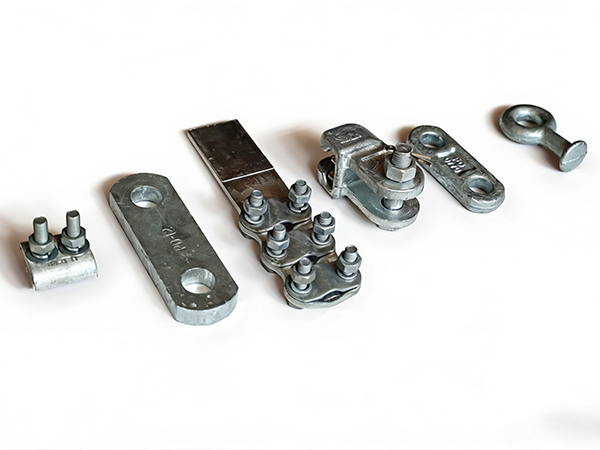
Iron fittings and fasteners typically include:
Bolts, nuts, and washers
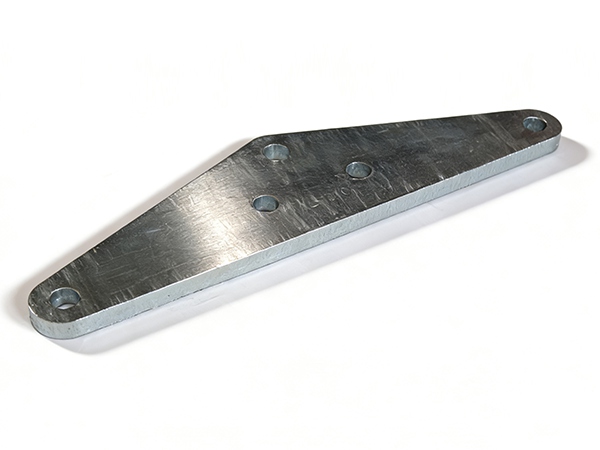
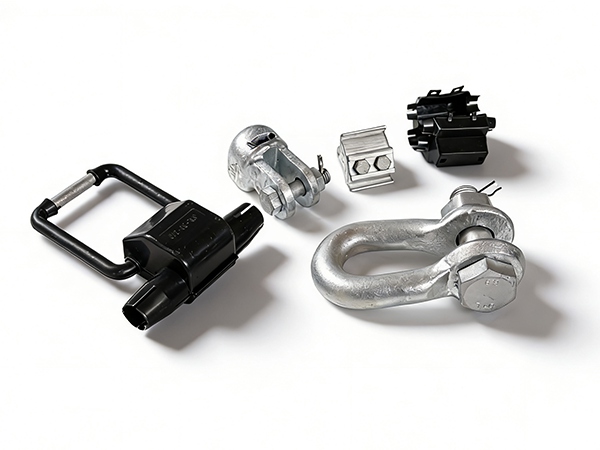
Clevises, shackles, and yoke plates
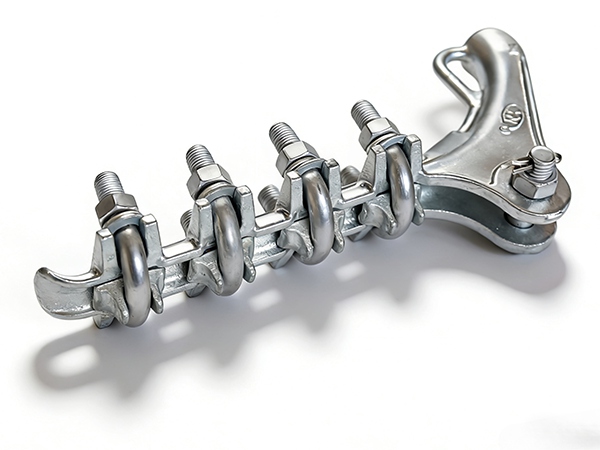
Suspension and tension fittings
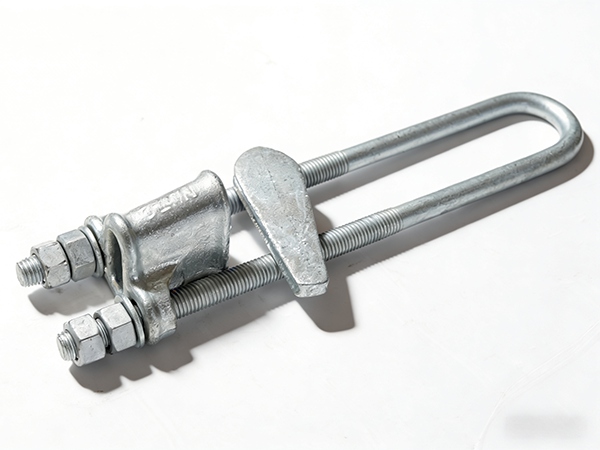
U-bolts, eye bolts, and anchor bolts
Pins, cotter keys, and locking devices
These components are usually made of galvanized steel to provide corrosion resistance.
2. Pre-Installation Preparation
2.1 Material Inspection
Before installation, all components must be inspected:
Verify compliance with design specifications and standards
Check for deformation, cracks, or coating damage
Ensure threads are clean and undamaged
Confirm proper dimensions and matching parts
Any defective components must be rejected.
2.2 Tools and Equipment Preparation
Use calibrated torque wrenches for accurate tightening
Prepare lifting tools and safety equipment
Ensure availability of correct fastener sizes and accessories
2.3 Site Preparation
Confirm tower or pole structure is properly erected and aligned
Ensure safe working conditions and access
Verify installation sequence according to engineering drawings
3. Installation Procedures
3.1 Assembly of Fittings
Install fittings according to design drawings and orientation requirements
Ensure proper alignment to avoid eccentric loading
Use compatible components to maintain system integrity
3.2 Fastener Installation
Bolt Installation
Insert bolts in the correct direction (commonly from outside to inside or top to bottom)
Ensure full engagement of threads
Use washers where specified to distribute load
Tightening Requirements
Tighten bolts using specified torque values
Avoid under-tightening (risk of loosening) and over-tightening (risk of damage)
Apply torque evenly for multi-bolt connections
3.3 Locking and Securing
Install cotter pins, split pins, or locking clips to prevent loosening
Ensure all locking devices are properly engaged
Double-check critical connections
3.4 Installation of Insulator Fittings
Ensure proper connection between insulators and hardware (ball-and-socket or clevis-tongue)
Confirm secure locking of insulator strings
Avoid mechanical stress or impact during installation
3.5 Alignment and Clearance
Verify correct alignment of fittings and conductors
Maintain required electrical clearances
Adjust components to prevent uneven load distribution
4. Quality Control and Inspection
4.1 Visual Inspection
Check for proper assembly and alignment
Ensure no missing components or loose connections
Verify coating integrity (no exposed steel)
4.2 Torque Verification
Re-check torque values for critical fasteners
Use calibrated tools for accuracy
4.3 Functional Checks
Confirm fittings can move or articulate as designed
Ensure no binding or abnormal stress points
5. Safety Requirements
Follow all safety regulations and procedures
Use appropriate personal protective equipment (PPE)
Ensure proper grounding and isolation when working near energized lines
Use certified lifting and climbing equipment
Only trained personnel should perform installation
6. Common Installation Issues and Solutions
6.1 Loose Fasteners
Cause: Insufficient torque or missing locking devices
Solution: Re-tighten to specified torque and install proper locking mechanisms
6.2 Misalignment
Cause: Improper assembly or structural deviation
Solution: Adjust fittings and ensure correct positioning
6.3 Coating Damage
Cause: Improper handling or installation tools
Solution: Repair with zinc-rich coating or replace if severe
6.4 Thread Damage
Cause: Cross-threading or contamination
Solution: Clean or replace damaged fasteners
7. Maintenance Considerations
Periodically inspect fittings and fasteners for loosening or corrosion
Re-tighten bolts if necessary
Replace worn or damaged components promptly
Maintain records of installation and maintenance activities
8. Best Practices
Follow standardized installation procedures and drawings
Use high-quality, certified components
Ensure proper training for installation personnel
Implement a quality assurance system for installation work
Plan for long-term maintenance during installation
9. Conclusion
Proper installation of transmission line iron fittings and fasteners is essential for ensuring structural integrity and operational safety. By adhering to correct procedures, maintaining strict quality control, and following safety standards, utilities can significantly reduce failure risks and extend the service life of overhead line systems. Attention to detail during installation lays the foundation for reliable and efficient power transmission.
References
IEC 61284 – Overhead lines – Requirements and tests for fittings
ISO 898-1 – Mechanical properties of fasteners made of carbon steel and alloy steel
ASTM A153/A153M – Zinc Coating (Hot-Dip) on Iron and Steel Hardware
IEEE Standard 524 – Guide to the Installation of Overhead Transmission Line Conductors
ANSI C135 – Standards for Overhead Line Hardware
 Recommended Products
 Contact us
—— Contact:Manager
—— Tel:+86 15631793633
—— Email:960244024@qq.com
—— Url:https://www.dachuan-power.com
—— Address:Liugusi Town, Hejian City, Cangzhou City, Hebei Province, China