
NewsDetails
How to Choose the Right Pole Clamp for Utility Poles in Power Line Projects
author:Dachuan time:2026-05-09 11:54:46 Click:186
In power line construction and maintenance, choosing the appropriate hardware is crucial to ensuring system safety, operational efficiency, and long-term reliability. Among these essential components, the utility pole clamp plays a pivotal role in securing cables, cross-arms, transformers, and other related equipment to utility poles. However, with a wide variety of types and specifications available on the market, selecting the right pole clamp can be a challenging task. This guide will take you through the key factors that need to be considered when choosing the most suitable pole clamp for your power line project.
Understand Your Application Requirements
Before selecting a pole clamp, it is vital to clearly define your project’s specific needs, as different applications call for different clamp designs. Ask yourself the following questions:
What kind of equipment will the clamp be supporting? (e.g., cables, brackets, transformers, etc.)
What is the anticipated load weight that the clamp must bear?
Is the installation intended to be temporary or permanent?
For instance, heavy-duty power transmission lines demand sturdier clamps compared to light-duty telecommunications cable installations.
Select the Right Material
The choice of material directly impacts the durability and overall performance of the pole clamp. Common materials used for pole clamps include:
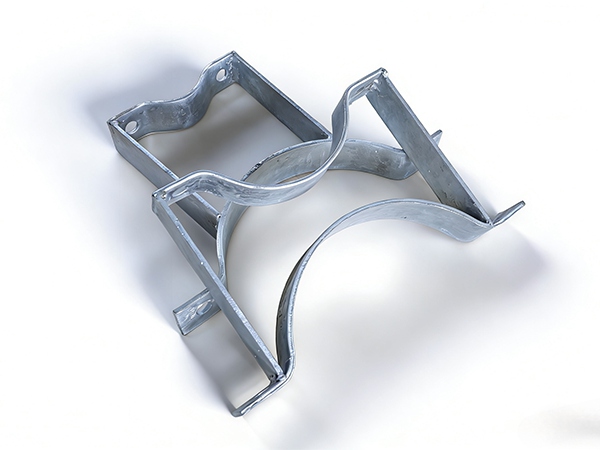
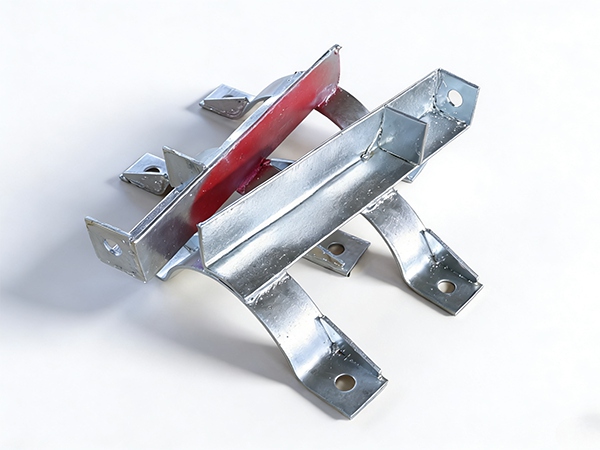
Galvanized Steel: Provides excellent mechanical strength and cost-effective corrosion resistance, making it a popular choice for most outdoor applications.
Stainless Steel: Perfect for highly corrosive environments, such as coastal areas or industrial zones, due to its superior anti-corrosion properties.
Aluminum Alloy: Lightweight in nature, making it suitable for applications with lower load requirements.
For outdoor power line projects, hot-dip galvanized or stainless steel clamps are generally the optimal choices, as they offer a longer service life and better resistance to harsh weather.
Check Load-Bearing Capacity
One of the most critical considerations when selecting a pole clamp is its load-bearing capacity. It is essential to ensure that the chosen clamp can effectively handle both:
Static loads (the weight of the equipment being supported)
Dynamic loads (such as wind, vibration, and tension exerted on the clamp and equipment)
It is highly recommended to select a pole clamp with a safety margin that exceeds the expected load, as this helps prevent structural failure and ensures long-term stability.
Consider Pole Type and Size
Utility poles are available in different materials—wood, concrete, or steel—and come in a range of diameters. The pole clamp must be compatible with the specific specifications of the utility pole used in your project. Key considerations in this regard include:
The diameter or circumference of the utility pole
The surface type of the pole (smooth or rough)
Compatibility with round or tapered pole designs
Adjustable pole clamps are often a practical and flexible choice for projects that involve utility poles of varying sizes.
Evaluate Corrosion Resistance
Since pole clamps are installed outdoors and exposed to harsh environmental conditions—such as rain, humidity, UV radiation, and pollutants—corrosion resistance is a key factor to ensure their long-term performance. Look for clamps with the following anti-corrosion features:
Hot-dip galvanization for long-lasting protection against rust
Specialized anti-rust coatings to repel moisture and prevent corrosion
Weather-resistant finishes that can withstand extreme environmental conditions
In coastal or industrial areas, where corrosion risks are higher, selecting clamps with enhanced corrosion resistance is particularly important to avoid premature failure.
Ensure Easy Installation
Efficient installation can significantly reduce both time and labor costs. A well-designed pole clamp should offer the following features to simplify the installation process:
A simple structure with fewer components, reducing installation complexity
Standardized bolts and fittings that are easy to source and install
An adjustable and user-friendly design that adapts to different installation scenarios
Quick and efficient installation is especially valuable for large-scale power line projects, where timely completion is a key priority.
Check Compliance with Standards
It is always advisable to choose pole clamps that meet recognized international industry standards, such as ISO (International Organization for Standardization) or ASTM (American Society for Testing and Materials). Products that comply with these standards ensure:
Reliable product quality and consistent performance
Safe operation in various working conditions
Compatibility with other standardized infrastructure components
This compliance is particularly critical for government-initiated projects or large-scale utility infrastructure developments.
Consider Supplier Reliability
The quality of the pole clamp is also closely linked to the manufacturer’s expertise and reputation. When selecting a supplier, consider the following factors:
The supplier’s production experience and technical expertise in manufacturing pole clamps
The quality control processes in place to ensure product consistency
Relevant certifications and product testing reports
Customer reviews and project references from previous clients
A reputable supplier can not only provide high-quality pole clamps but also offer technical support and after-sales service when needed.
Balance Cost and Performance
While it may be tempting to opt for lower-cost pole clamps to reduce upfront expenses, cheap clamps often lead to higher maintenance and replacement costs in the long run. Instead, focus on value by considering:
A longer service life that reduces the frequency of replacements
Reduced maintenance requirements, saving time and labor costs
Higher safety and reliability, minimizing the risk of system failures
Investing in high-quality pole clamps upfront can significantly reduce long-term project costs and ensure the overall stability of the power line system.
Conclusion
Selecting the right pole clamp for utility poles in power line projects requires careful consideration of multiple factors, including material selection, load-bearing capacity, pole compatibility, environmental resistance, and supplier reliability. By choosing a high-quality pole clamp that is properly specified for your project’s needs, you can ensure secure installations, improved safety, and long-term system performance. Whether you are undertaking a new power line construction project or upgrading existing infrastructure, making the right choice of pole clamp will deliver lasting benefits for your project.
References
GB/T 7714:Design Optimization and Mechanical Performance Test of Utility Pole Clamps for Power Distribution Lines[J]. IEEE Transactions on Power Delivery
MLA:Load Distribution Mechanism of Double Bolt Pole Clamps for Heavy-Duty Equipment Mounting[J]. Journal of Structural Engineering
APA:Installation Guidelines and Maintenance Strategies for Utility Pole Clamps in Harsh Outdoor Conditions[J]. IEEE Transactions on Industry Applications
 Recommended Products
 Contact us
—— Contact:Manager
—— Tel:+86 15631793633
—— Email:960244024@qq.com
—— Url:https://www.dachuan-power.com
—— Address:Liugusi Town, Hejian City, Cangzhou City, Hebei Province, China