
NewsDetails
Best Practices for Installing Pole Clamps in Outdoor Electrical Systems
author:Dachuan time:2026-05-18 16:17:09 Click:185
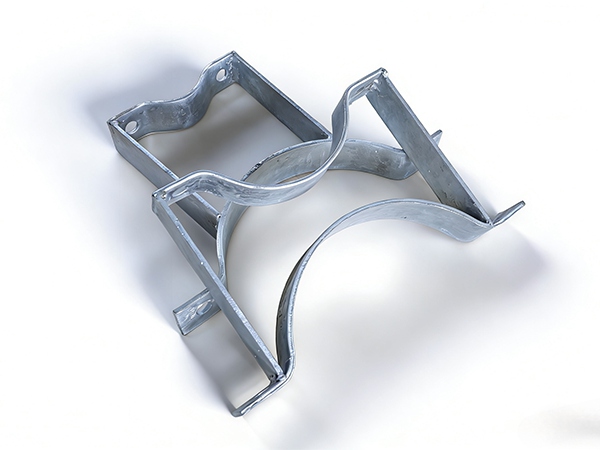
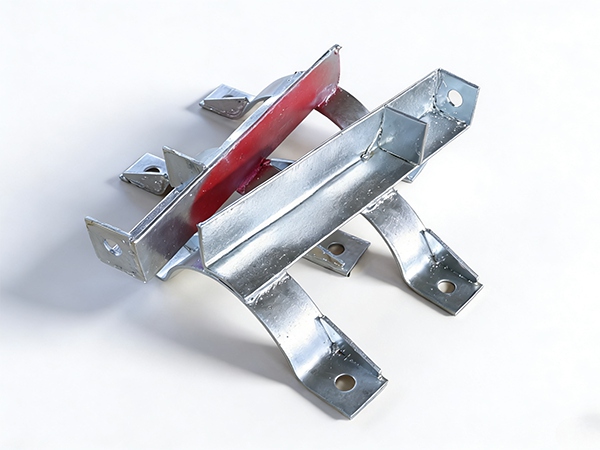
In outdoor electrical and communication infrastructure, pole clamps serve as essential components for securing cables, brackets, and equipment to utility poles. Even high-quality clamps, however, can malfunction if they are not installed properly. Correct installation is vital to ensuring system safety, stability, and long-term operational performance. This article outlines the top best practices for installing pole clamps in outdoor electrical systems, assisting engineers, installers, and contractors in achieving reliable and durable results in field applications.
Why Proper Installation Matters
Pole clamps are subjected to constant environmental stressors, including:
Strong wind loads
Fluctuations in temperature
Moisture and corrosive elements
Mechanical vibration caused by cables
Incorrect installation can lead to a range of issues, such as:
Loosening or falling of equipment
Damage to cables
Deformation of the pole surface
System downtime and potential safety hazards
Adhering to correct installation practices is key to maintaining long-term structural integrity and operational safety of the entire system.
1. Inspect the Pole Before Installation
Prior to installing any pole clamp, it is essential to assess the condition of the utility pole thoroughly:
Check for cracks, rot, or signs of corrosion
Ensure the pole is structurally stable and capable of supporting the load
Verify compatibility with the pole’s diameter and shape
Clean the pole surface to remove dirt, oil, or debris that could affect clamp grip
A stable and secure installation starts with a sound and well-maintained utility pole.
2. Select the Correct Pole Clamp Type
Different installation scenarios require different clamp designs. The selection should be based on the following factors:
Pole material (wood, steel, or concrete)
Load-bearing requirements
Type of equipment to be mounted (cables, cross arms, telecom hardware)
Environmental conditions of the installation site
For instance:
Coastal areas → stainless steel clamps to ensure corrosion resistance
Heavy-load systems → reinforced galvanized steel clamps for enhanced strength
Telecom installations → lightweight adjustable clamps for flexibility
Selecting the right clamp type significantly reduces installation risks and ensures long-term performance.
3. Position the Clamp Correctly
Proper positioning is crucial for achieving balanced load distribution and optimal performance:
Install the clamp at the specified height as required by the project design
Align the clamp horizontally or vertically according to the equipment’s mounting needs
Avoid placing the clamp near damaged or weakened sections of the pole
Ensure sufficient clearance for cables and other accessories to prevent interference
Incorrect positioning can result in uneven stress distribution, leading to premature clamp failure.
4. Tighten Fasteners to Recommended Torque
Improper tightening is one of the most common mistakes during pole clamp installation. To avoid this, follow these best practices:
Use a calibrated torque wrench to ensure accurate tightening
Adhere to the torque values recommended by the clamp manufacturer
Tighten bolts evenly to prevent uneven pressure on the pole and clamp
Recheck the tightness of fasteners after the initial installation to address any settling
Over-tightening can damage the pole or the clamp itself, while under-tightening may cause the clamp to slip over time.
5. Use Anti-Corrosion Protection
Outdoor systems are continuously exposed to moisture and harsh weather conditions, making anti-corrosion protection essential for extending the service life of pole clamps:
Opt for hot-dip galvanized or stainless steel clamps for inherent corrosion resistance
Apply anti-rust coatings if additional protection is needed for harsh environments
Ensure that bolts and washers are also corrosion-resistant to avoid component failure
Seal exposed metal surfaces in highly corrosive areas, such as coastal or industrial regions
This step is particularly critical in areas with high humidity, salt exposure, or industrial pollutants.
6. Ensure Proper Load Distribution
Pole clamps must distribute mechanical loads evenly around the circumference of the utility pole to prevent structural damage:
Avoid concentrating weight on a single point of the pole
Use additional brackets or supports for heavy equipment to分散 the load
Balance cable tension properly to avoid uneven stress on the clamp and pole
Reinforce the mounting area if the load exceeds the clamp’s standard capacity
Even load distribution prevents pole deformation and reduces the risk of structural stress-related failures.
7. Avoid Damage to the Pole Surface
Protecting the utility pole’s surface is essential for maintaining the long-term health of the entire infrastructure:
Do not overtighten clamps on wooden poles, as this can cause splitting or damage
Use protective liners or pads (if provided) to prevent direct contact between the clamp and pole
Avoid sharp edges of the clamp coming into direct contact with the pole surface
Refrain from drilling into the pole unless explicitly specified by the project design or manufacturer guidelines
Preserving the pole’s integrity helps extend the lifespan of the entire electrical or communication system.
8. Perform Post-Installation Inspection
After completing the installation, always conduct a thorough final inspection to ensure everything is secure and properly aligned:
Verify that all bolts and fasteners are securely tightened to the recommended torque
Check the clamp’s alignment and overall stability
Test for movement by applying light pressure to the mounted equipment
Inspect for potential interference with cables or other nearby components
Regular inspections in the days following installation also help detect early signs of loosening or damage.
9. Follow Safety Standards and Guidelines
Installers should always comply with relevant industry standards and guidelines to ensure safety and legal compliance:
Adhere to electrical safety regulations applicable to the installation region
Follow telecom infrastructure guidelines for mounting communication equipment
Comply with local utility company requirements and specifications
Refer to the manufacturer’s installation manual for clamp-specific instructions
Compliance with these standards ensures both the safety of installers and the long-term reliability of the system.
10. Schedule Regular Maintenance
Even properly installed pole clamps require periodic maintenance to ensure continued performance:
Inspect clamps regularly for signs of corrosion, rust, or wear
Re-tighten bolts if any loosening is detected, especially after extreme weather events
Check for vibration-induced loosening, which can occur over time
Replace damaged or worn components promptly to avoid system failure
Preventive maintenance reduces long-term operational risks and extends the service life of the pole clamps and the entire infrastructure.
Conclusion
Proper installation of pole clamps is critical to the safety, stability, and reliability of outdoor electrical and communication systems. By selecting the appropriate clamp type, ensuring correct positioning, applying the recommended torque, and following industry safety standards, engineers and installers can significantly enhance system durability and performance. In power and telecom infrastructure, attention to installation details is not an option—it is a necessity for achieving long-term stability and operational success.
References
GB/T 7714:Best Practices for Pole Clamp Installation in Outdoor Electrical Infrastructure. Journal of Electrical Safety
MLA:Load Distribution Techniques for Pole Clamp Installations in Telecom Networks. Journal of Telecommunications Infrastructure
APA:Selecting the Right Pole Clamp for Outdoor Environments: A Guide for Installers. Journal of Infrastructure Safety
 Recommended Products
 Contact us
—— Contact:Manager
—— Tel:+86 15631793633
—— Email:960244024@qq.com
—— Url:https://www.dachuan-power.com
—— Address:Liugusi Town, Hejian City, Cangzhou City, Hebei Province, China