
NewsDetails
Selection Guide for Iron Fittings in 10kV–220kV Power Grids
author:Dachuan time:2026-04-17 11:27:45 Click:53
Selection Guide for Iron Fittings in 10kV–220kV Power Grids
Iron fittings (power line hardware) are essential components used to connect, support, and protect conductors and insulators in overhead transmission and distribution systems. In voltage ranges from 10kV to 220kV, proper selection of fittings is critical to ensure mechanical reliability, electrical safety, and long-term performance under diverse environmental conditions.
1. Scope of Application
Iron fittings in 10kV–220kV systems are used in:
Distribution lines (10kV–35kV)
Sub-transmission lines (66kV–110kV)
High-voltage transmission lines (132kV–220kV)
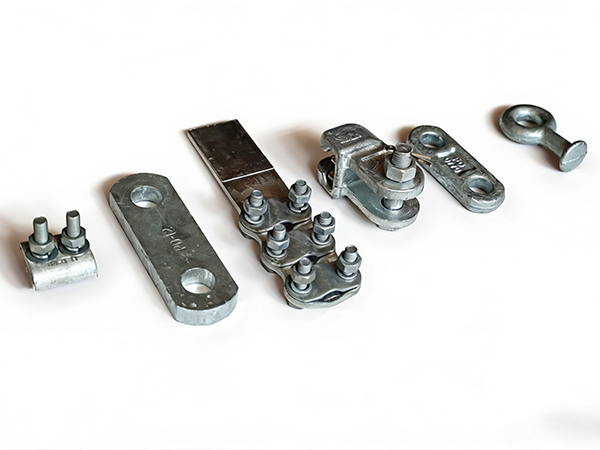
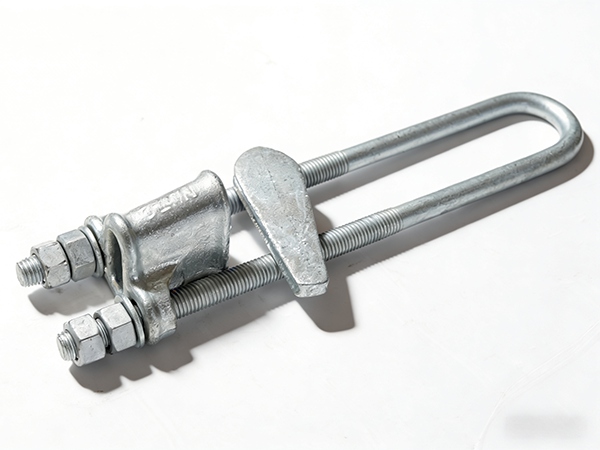
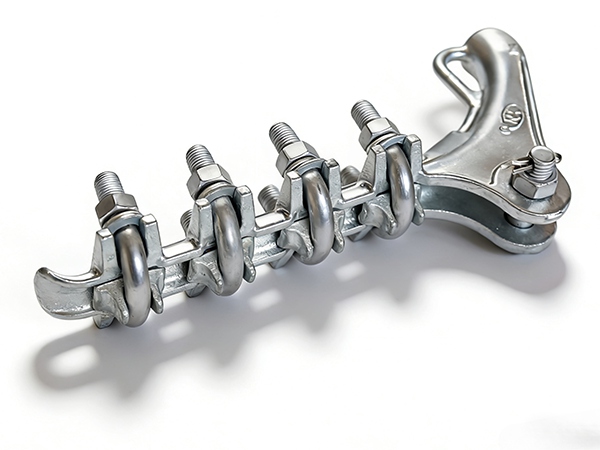
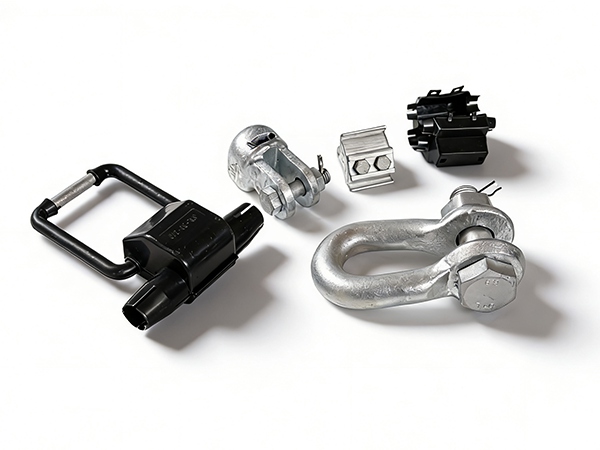
Typical components include suspension clamps, tension clamps, linking fittings (clevis, shackles), spacers, dampers, and protective hardware.
2. Key Selection Principles
2.1 Voltage Level and Insulation Coordination
Higher voltage levels require fittings compatible with longer insulator strings
Ensure adequate electrical clearance and creepage distance
Consider overvoltage conditions such as lightning and switching surges
2.2 Mechanical Load Requirements
Evaluate conductor tension, wind load, and ice load
Select fittings with appropriate rated mechanical strength (SML/UTS)
Apply safety factors (typically ≥2.5) for reliability
2.3 Environmental Conditions
Environmental factors strongly influence selection:
Coastal/industrial areas: require enhanced corrosion resistance
High pollution مناطق: need longer creepage distance and anti-pollution design
Cold regions: fittings must withstand ice loading and low temperatures
High altitude: requires increased insulation levels
2.4 Material Selection
Carbon steel (galvanized): standard choice for most applications
Alloy steel: for high-load or critical نقاط
Stainless steel: for highly corrosive environments
Aluminum alloys: for lightweight and conductive components
2.5 Corrosion Protection
Hot-dip galvanizing is the standard protection method
Coating thickness must comply with ASTM/ISO requirements
Additional coatings may be required in severe environments
3. Selection by Voltage Class
3.1 10kV–35kV Distribution Lines
Use lighter fittings with moderate mechanical strength
Emphasis on cost-effectiveness and ease of installation
Common components: suspension clamps, pole bands, simple connectors
3.2 66kV–110kV Sub-Transmission Lines
Medium-strength fittings with improved durability
Consider vibration control devices (dampers)
Enhanced corrosion protection for outdoor exposure
3.3 132kV–220kV Transmission Lines
High-strength fittings for heavy loads and long spans
Use of corona rings and arcing horns to control electrical stress
Strict requirements for fatigue resistance and dimensional accuracy
4. Compatibility and Standardization
Ensure fittings match conductor type
Verify compatibility with insulator strings and tower design
Use standardized fittings for interchangeability and maintenance ease
Follow relevant standards (IEC, ASTM, ANSI)
5. Mechanical Performance Considerations
5.1 Load Capacity
Must exceed maximum expected loads with safety margin
Verified through tensile and load testing
5.2 Fatigue Resistance
Important for long-term performance under wind-induced vibration
Smooth surface finish and proper design reduce fatigue risk
5.3 Connection Reliability
Secure fastening prevents loosening and failure
Use locking devices and proper torque during installation
6. Electrical Performance Considerations
Minimize corona discharge in high-voltage systems
Ensure proper electrical clearance
Use grading devices (e.g., corona rings) where necessary
Maintain insulation coordination with system design
7. Installation and Maintenance Factors
7.1 Ease of Installation
Select fittings with simple and reliable assembly
Reduce installation time and labor cost
7.2 Maintenance Requirements
Prefer corrosion-resistant and low-maintenance materials
Ensure accessibility for inspection and replacement
7.3 Lifecycle Cost
Balance initial cost with durability and maintenance expenses
High-quality fittings often provide better long-term value
8. Common Selection Mistakes
Underestimating mechanical load requirements
Ignoring environmental conditions
Using incompatible fittings with conductors or insulators
Selecting insufficient corrosion protection
Avoiding these issues improves system reliability.
9. Selection Workflow
Define system voltage and design requirements
Analyze mechanical loads and environmental conditions
Select appropriate material and corrosion protection
Ensure compatibility with conductors and insulators
Verify compliance with standards
Evaluate cost and lifecycle performance
10. Conclusion
Selecting the right iron fittings for 10kV–220kV power grids is essential for ensuring safe, reliable, and efficient operation of transmission and distribution systems. By carefully considering voltage level, mechanical loads, environmental conditions, and material properties, engineers can optimize performance and extend service life. Standardization, proper installation, and ongoing maintenance further enhance the effectiveness of these critical components.
References
IEC 61284 – Overhead lines – Requirements and tests for fittings
IEC 60826 – Design criteria of overhead transmission lines
ASTM A153/A153M – Zinc Coating (Hot-Dip) on Iron and Steel Hardware
IEEE Standard 524 – Guide to the Installation of Overhead Transmission Line Conductors
ANSI C135 – Standards for Overhead Line Hardware
 Recommended Products
 Contact us
—— Contact:Manager
—— Tel:+86 15631793633
—— Email:960244024@qq.com
—— Url:https://www.dachuan-power.com
—— Address:Liugusi Town, Hejian City, Cangzhou City, Hebei Province, China